

International Postgraduate Program
The first postgraduate program in the world designed for healthcare professionals seeking a rigorous, evidence-based understanding of peptide medicine.
Program at a Glance
28 modules. 70+ hours of video instruction. A 12-week, fully online curriculum built to Swiss educational standards. Covering peptide biology, pharmacology, clinical applications, safety, regulation, and practice integration, this comprehensive program provides a structured framework for the responsible use of peptide therapeutics in modern healthcare. Fully online & self-paced.
A New Standard in Peptide Education
Healthcare professionals need a structured, evidence-based framework to navigate the rapidly expanding field of peptide therapeutics. The Postgraduate Diploma in Peptide Therapeutics equips healthcare professionals with the scientific knowledge, clinical reasoning, and regulatory understanding required for the responsible integration of peptide therapies into modern healthcare.
Curriculum Overview
This program is designed for licensed healthcare professionals practicing within their scope of licensure. It does not endorse unsupervised peptide use and does not equate research-stage compounds with approved pharmacotherapy. Commercial availability is not evidence of safety or efficacy. Throughout this curriculum, clinical claims are governed by the five-level evidence hierarchy, and regulatory status must be verified at the point of prescribing. GCLS certification is educational and does not confer prescribing authority.
Peptide medicine begins with three ideas: what peptides are, why the body's own signaling systems decline with age, and how the strength of evidence determines what a practitioner is permitted to say to a patient. These three ideas form the intellectual backbone of the entire program. Module 1 establishes all three. The module covers the molecular definition of peptides and how they differ from small molecules, proteins, and hormones; the biology of age-related signaling decline and why restoration differs fundamentally from replacement; the twelve hallmarks of aging and where peptide interventions have and do not have established mechanisms; the ten functional peptide families and their clinical organization; and the five-level evidence hierarchy that governs every clinical, consent, and documentation decision in this program. This module is the master evidence reference for the entire curriculum. Module 4 applies the evidence hierarchy to specific safety and regulatory decisions; Module 26 operationalizes the regulatory framework. Regulatory status is jurisdiction-dependent and changes; verify at the point of prescribing.
Module 2 establishes the cellular and molecular pharmacology that explains why peptides work as they do: how they bind receptors, which intracellular pathways they activate, why those pathways desensitize over time, and how the master regulatory axes; mTOR, AMPK, FOXO, and NRF2; determine what any combination protocol can and cannot achieve simultaneously. GPCR pathway, not compound name, determines synergy. That single sentence is the governing thesis of this module. It is the reason an evidence-based rationale for pulsatile dosing looks different from a convention, and it is the reason a pharmacologically coherent stacking decision looks different from compound accumulation driven by enthusiasm. Module 2 is the mechanistic foundation for the protocol decisions a clinician will make, and the receptor biology in this module is what makes that foundation rigorous.
Pharmacokinetics, not mechanism, determines dosing frequency. That is the governing thesis of this module. Receptor biology explains why a peptide works; half-life, route, and formulation explain when, how often, and in what form it is given. Module 3 covers the three absorption barriers that prevent oral delivery, the pharmacokinetics of subcutaneous injection as the default route, the metabolism and renal clearance pathways that produce the half-life problem, the three half-life extension strategies that solve it, alternative routes including intranasal delivery and oral semaglutide, and the lyophilization and reconstitution practice that governs compound integrity at the point of use.
Peptide practice requires a safety and regulatory framework to match its scientific foundations. Module 4 connects the science to the ethical, legal, and epistemological machinery that governs responsible prescribing: how to appraise evidence, how to interpret safety signals, and how to document consent in proportion to evidence level. The framework is what distinguishes peptide medicine from longevity-marketplace activity that uses the same vocabulary.
A compounded peptide is not equivalent to an approved pharmaceutical product. It may not have the same premarket review, validated manufacturing process, batch-release specifications, stability program, or post-market pharmacovigilance as an approved drug. The clinical task is therefore to verify what the regulatory category does and does not guarantee. Module 5 closes the gap between what the regulatory designation means and what the patient actually receives. The module moves from synthesis chemistry to the patient's refrigerator: SPPS and its predictable failure modes, the exponential relationship between length and impurity burden, Certificate of Analysis interpretation, the three invisible contamination risks, the four degradation pathways, and the reconstitution and cold-chain requirements that decide whether an intact preparation reaches an intact receptor.
Module 6 is the clinical gateway to the program. It provides the structured framework through which patient desire becomes a clinical indication, or is redirected appropriately when one does not exist. Three decisions belong here and cannot be made elsewhere: whether a patient is safe to treat, whether there is a confirmed physiological deficit that justifies treatment, and what the baseline values are against which every subsequent monitoring result will be measured. Psychiatric baseline requirements for neuropeptide and melanocortin prescribing are addressed in the relevant compound modules; documentation standards apply throughout the program.
Module 7 converts a completed clinical assessment into a structured prescribing decision. The Foundation Scorecard, the aging phenotype, the baseline labs, and the defined goal are the inputs; a rational, measurable, time-limited protocol is the output. Every cycling rule, stacking decision, stop threshold, and documentation obligation in Modules 8 to 28 has its origin here.
Module 8 establishes the monitoring architecture that transforms a protocol from a prescribing event into a clinical system: the mechanism by which the practitioner determines whether the prescribing decision was correct, whether it remains appropriate, and whether it is producing benefit or harm. No endpoint = no protocol. Module 8 provides the endpoint selection, biomarker interpretation, interval schedules, non-response evaluation, and discontinuation criteria that make the protocols of Modules 9 to 28 clinically coherent. The module covers primary endpoint selection by phenotype class, biomarker panels by peptide class, monitoring intervals at standard, enhanced, and intensive tiers, and triggers for protocol modification versus discontinuation.
GH-axis peptides are the most widely prescribed class in longevity and performance medicine, and this module is their clinical reference. The deck moves from physiology and somatopause through the four mechanistic classes, the individual compounds (CJC-1295, ipamorelin, MK-677, the GHRPs, tesamorelin, sermorelin, AOD-9604, plus IGF-1 LR3 and somatostatin), to the canonical combination protocol, cycling rationale, IGF-1 monitoring with oncological thresholds, and the contraindication framework that governs all of it.
Mitochondria are the cellular targets of this module. The compounds covered here address energy metabolism, cellular repair, and the age-related decline in mitochondrial signaling that underlies several hallmarks of biological aging. MOTS-c, Humanin and the SHLP family, SS-31 (elamipretide), 5-Amino-1MQ, MGF, NAD+ precursors, and GHK-Cu in its mitochondrial role. The mTOR-AMPK seesaw governs timing decisions; the oncological framework applies throughout.
The immune dimension of aging is where clinical enthusiasm most consistently outpaces the evidence, and where the clearest safety boundaries in peptide medicine apply. The thymus ages, immune function becomes both weaker and more inflammatory, and thymosin alpha-1 is the main clinically usable thymic peptide because it recalibrates immune function rather than simply stimulating it. Everything else in this module is adjunctive, experimental, or pipeline-level and should be positioned accordingly.
This module addresses the gut as both therapeutic target and pharmacokinetic obstacle. The module covers gut barrier architecture and tight junction biology; the science and limits of intestinal permeability testing; BPC-157 in GI mucosal healing with its full evidence context; the approved intestinotrophic agents teduglutide, linaclotide, and plecanatide; KPV for intestinal inflammation; larazotide acetate and the lessons of its Phase 3 failure; VIP in the CIRS framework; GLP-1 GI effects and gastroparesis management; relamorelin; and a four-tier clinical integration hierarchy that positions each compound correctly against established gastroenterology practice.
This module reframes GLP-1 and incretin therapy as cardiometabolic medicine, not cosmetic weight loss. It covers the incretin system, semaglutide and tirzepatide evidence, next-generation multi-agonists, lean mass preservation, safety monitoring, compounding rules, and clinical decision-making.
This module applies peptide therapy to musculoskeletal injury: the most common clinical context in which patients and practitioners encounter BPC-157 and TB-500. The central argument is straightforward. Rehabilitation and progressive load management are Level 1 treatments for every tissue injury covered here. Peptides are Tier 4 adjuncts. The case for using them is mechanistically compelling and preclinically well-supported; the case for replacing standard care with them does not exist. This module builds the clinical framework for applying peptides as adjuncts, not substitutes, across five tissue types, within full WADA compliance for any competitive athlete in the consultation.
Tissue repair represents the localized expression of systemic biology; metabolic, vascular, and inflammatory states determine healing capacity before any intervention is applied. This module is the pharmacological foundation for six tissue-repair compounds and adjuncts: BPC-157, TB-500, GHK-Cu, PDRN, ARA-290, and TP-508. PDRN is a polynucleotide, not a peptide, but is included because it is commonly used in regenerative and wound-healing protocols alongside peptides. The discipline required here is evidence-level honesty: the compounds in this module range from Level 2 with controlled human RCT data to Level 5 with no human validation at all, and the clinical framework must reflect that range rather than compress it into uniform enthusiasm. Where the evidence supports a specific claim, this module makes it. Where it does not, this module states that directly.
Neuropeptides present the program's widest gap between mechanistic plausibility and human evidence quality. The neurotrophic factor pathways that make cognitive enhancement an attractive therapeutic target are real: BDNF, NGF, and VEGF decline with aging and correlate with cognitive performance. The compounds that purport to modulate these pathways are another matter; most carry Russian-language evidence from limited trial designs, regulatory approval in a small number of jurisdictions, and a clinical positioning that requires careful calibration against the evidence base rather than the enthusiasm that typically accompanies them.
Cardiovascular disease is the leading cause of death in every population for whom peptide medicine is relevant. Any practitioner prescribing metabolic, hormonal, or longevity peptides without cardiovascular literacy is prescribing blind. Module 17 covers the GLP-1 cardiovascular and renal outcomes evidence (SELECT, FLOW, STEP-HFpEF, SUMMIT, SURPASS-CVOT), the cardiometabolic comorbidities (MASH, Lp(a), hypertension), the safety domains (pancreatitis, thyroid, perioperative), and the complete CV screening and stop-trigger protocol that determines whether any peptide protocol is appropriate, monitored, or must stop.
Psychiatric symptoms are among the most commonly reported patient concerns during peptide therapy and the most commonly under-screened before therapy begins. Module 18 positions peptides as adjuncts to, not substitutes for, established psychiatric pharmacotherapy. Selank has Level 3 anxiety evidence; Semax is a mechanistic adjunct; DSIP is phenotype-specific; GLP-1 affects reward and eating behavior but does not treat addiction; oxytocin teaches the hype-cycle lesson. Red flags, specialist co-management, drug interactions, and validated screening tools determine whether any protocol can proceed.
Chronic pain is one of the most prevalent unmet clinical needs in every population seeking peptide medicine. Mechanism mismatch is the most costly error here: prescribing an anti-inflammatory peptide for neuropathic pain produces no benefit and generates false non-response conclusions. This module covers pain pathway biology and mechanism classification; ARA-290 as the primary evidence compound for neuropathic pain; BPC-157 and TB-500 in musculoskeletal pain; low-dose naltrexone across inflammatory and central sensitization indications; melanocortin peptides in neuroinflammation; and the specialist referral framework that positions peptides within the broader pain management pathway.
Aesthetic medicine is the highest-volume application of topical peptide therapy and one of the most evidence-variable. GHK-Cu has genuine Level 2 to 3 topical evidence from controlled trials; Syn-Ake has cosmeceutical-grade Level 3 data. Epitalon and melanotan II operate at Level 4 to 5 in aesthetic contexts. The aesthetic practitioner's primary clinical discipline is evidence hierarchy, not ingredient enthusiasm. Module 20 builds the framework: intrinsic and extrinsic aging biology, GHK-Cu as the primary evidence compound across wound healing, collagen, and dermal applications, the cosmeceutical signal-peptide class (Matrixyl, Argireline, Syn-Ake), pigmentation pharmacology including the melanocortin pathway and the melanotan governance framework, device integration with microneedling and energy-based devices, and the documentation checklist that turns an aesthetic protocol into a defensible clinical record.
Hair loss protocols fail when the practitioner treats hair loss as one diagnosis. AGA, telogen effluvium, PCOS, thyroid disease, nutritional deficiency, post-GLP-1 effluvium, and scarring alopecia require different decisions. Peptides only earn a place after mechanism, diagnosis, and evidence tier are clear. Module 21 builds: follicle biology and the hair cycle; GHK-Cu as the main peptide anchor with PDRN and PTD-4 as adjuncts; the cosmeceutical and biomimic class as adjuncts (not replacements for minoxidil, finasteride, LLLT, microneedling); the systemic differential (thyroid, iron, PCOS, GLP-1 effluvium); and the monitoring framework (standardized photos and trichoscopy at six months). The Module's spine: hair restoration begins with diagnosis, not products.
Sexual health peptide prescribing begins with diagnosis. Testosterone, estradiol, prolactin, thyroid, FSH, and LH define whether the problem is hormonal, central desire, peripheral arousal, medication-related, relational, vascular, or mixed. PT-141, oxytocin, kisspeptin, and VIP only make sense after that distinction is made. This module covers the four sexual-health peptides with assessable evidence, the hormonal foundation that must precede any of them, and the regulatory and documentation discipline that protects both the patient and the practitioner.
Cancer is the bright line of peptide medicine. Every growth-promoting, angiogenic, and immunomodulatory peptide in this program carries an oncological governance obligation. No peptide in this curriculum treats cancer. The oncology-adjacent framework governs what practitioners can prescribe in patients with cancer history, what must stop when cancer is diagnosed, and how to communicate with the oncologist who has the actual treating-physician relationship. This module is the rulebook for that governance. The 5-year rule, the IGF-1 evidence base, the BPC-157 contradiction, the 177Lu-DOTATATE distinction, and the oncologist communication protocol are the anchors. The rule that ends every consultation: if the oncologist objects, do not prescribe.
Longevity medicine is not what most patients arriving with peptide requests believe it is. No compound in this program extends lifespan in controlled human trials. The discipline rests on something more defensible: understanding the biology of aging well enough to know which interventions address it, at what evidence level, and in what sequence. Before pharmacology, physiology dominates. Exercise, sleep, protein adequacy, and metabolic control reduce all-cause mortality more reliably than any compound in this program. The protocol hierarchy exists to make this explicit: Tier 0 is not a preamble to treatment; it is the treatment. Four operating questions govern the module. What exists, the longevity peptide landscape with honest evidence mapping. What is plausible, mechanistic rationale grounded in aging biology but not yet clinically confirmed. What is overclaimed, where marketing exceeds evidence. What is currently defensible, honest clinical practice language for longevity medicine. This module covers the twelve hallmarks of aging and their peptide-targetable dimensions, the Khavinson bioregulator class with its distinctive evidence profile, epigenetic clocks as monitoring tools, and the integrated longevity protocol hierarchy that places every compound in its correct position within a rationally designed clinical program.
Female patients represent half the clinical population for peptide medicine and the half most systematically underserved by protocols designed around male physiology. The hormonal architecture of the HPO axis, the cyclical variation in receptor expression and peptide pharmacodynamics, the perimenopausal transition, and the reproductive contraindications that apply across every module require a dedicated framework that no prior module covers comprehensively. This module provides the female-specific framework for protocol design, monitoring, and prescribing governance that female biology requires. This module covers the HPO axis and its peptide interaction points; estrogen and progesterone effects on peptide receptor expression; perimenopause and menopause as distinct therapeutic contexts; PCOS peptide management; bremelanotide and oxytocin in female sexual health; GH-axis adaptations for female patients; and the reproductive contraindication framework applicable across all program modules.
In peptide medicine, regulatory error is clinical error. Every prescribing decision sits inside a regulatory frame that can change between sessions and between publication cycles. The practitioner who prescribes or sources a peptide without verifying its current regulatory status in the patient's jurisdiction is not making a complete clinical judgment; they are creating legal and clinical exposure. In the United States, compounded semaglutide illustrates this problem through shortage-list and compounding rules. Other jurisdictions (EU, UK, Australia, Israel, and elsewhere) have different mechanisms, but the operational rule is the same: verify before prescribing. This module covers risk stratification, US 503A and 503B compounding as one major regulatory example, international framework adaptation, shortage-list verification, WADA governance, evidence-tiered informed consent, six-element medicolegal documentation, and the annual compliance audit. It is the regulatory rulebook referenced across the clinical modules; jurisdictional rules must be verified locally.
Module 27 is not new pharmacology. It is the operational architecture of peptide practice. Across the previous modules, the curriculum has built compound knowledge, mechanism, evidence hierarchy, dosing logic, contraindications, monitoring, and clinical reasoning. This module asks the next question: how does that knowledge become a safe, compliant, documented, and scalable clinical service? The answer is systems. A peptide practice is not defined only by what it prescribes. It is defined by the practice model, infrastructure, documentation discipline, patient education process, marketing language, pricing structure, telehealth rules, outcome tracking, offboarding standard, staff training, KPI review, and regulatory-update rhythm that surround every prescription. Three hours, three operational blocks, one through-line: protocol becomes practice only through systems. Compliance must be built before the first patient, not repaired after the first mistake. The chart that documents the discipline is the chart that protects the practice. The CPMP standard at the end of this module is therefore not simply a credential; it is the operating standard the entire curriculum has been pointing toward.
Module 28 is the clinical capstone. Twenty-one integrated cases, one structured reasoning framework, every preceding module of the curriculum applied under realistic constraints. What this module covers. The six-step clinical reasoning framework applied to twenty-one patient presentations across oncology, metabolism, regenerative medicine, sexual function, psychiatric governance, fertility, geriatric care, and aesthetic indications. The cases test whether the disciplines built across Modules 1 to 27 have fused into a single decision process. Where this module leads. Program completion and the Certified Peptide Medicine Practitioner credential. The capstone is the bridge from curriculum knowledge to clinical accountability. The knowledge is now yours; the responsibility for its application, clinical, ethical, and legal, is yours as well.
Congratulations on successfully completing the Postgraduate Diploma in Peptide Therapeutics. Please claim your diploma here.
28 modules in total, covering peptide science through to regulatory navigation and practice integration. Share the remaining module titles and summaries and I'll complete this accordion.
What the Program Offers
28 modules spanning peptide biology, pharmacology, clinical applications, safety, regulation, patient assessment, monitoring and practice integration.
Developed and taught by physicians, scientists and researchers from North America, Europe, Australia, Asia, Latin America and the Middle East.
Built around scientific evidence, clinical reasoning, patient safety and responsible therapeutic decision-making — beyond trends and marketing claims.
Over 70 academic hours of expert-led instruction delivered through a fully online, self-paced environment designed for working professionals.
Clinical frameworks, monitoring protocols, bloodwork guidance, informed consent templates, questionnaires and case-based learning.
Designed according to the principles of scientific rigor, ethical practice and high-quality professional education associated with Swiss institutions.
A New Standard in Peptide Education
The GCLS Postgraduate Peptide Therapeutics Program is the most comprehensive evidence-based curriculum in peptide medicine available today. Spanning 28 modules and 80 contact hours, each module concludes with a mandatory end-of-module examination to ensure mastery before progression. The program covers peptide science from molecular biology through clinical application, regulatory navigation, and practice integration, culminating in a capstone case study module that demands integrated decision-making across the full curriculum. It is designed for licensed physicians, nurse practitioners, and other qualified healthcare professionals seeking to integrate peptide therapeutics into evidence-based clinical practice.
The program emphasizes intellectual honesty about evidence quality across the peptide landscape, distinguishing FDA-approved therapies with Level 1 RCT evidence from investigational compounds with preclinical data only. Graduates will be equipped to prescribe where evidence supports it, decline where it does not, and communicate the difference with clarity and confidence.
Developed by the Geneva College of Longevity Science (GCLS) and taught by an international faculty of physicians, scientists, and subject-matter experts, the program reflects the multidisciplinary nature of modern peptide medicine. Built upon the principles of scientific rigor, responsible clinical practice, and Swiss educational standards, it provides participants with a practical framework for evaluating and integrating peptide therapeutics within contemporary healthcare settings.
Dr. Berman has practised aesthetic and longevity medicine since 2007, with more than a decade of focused clinical work in peptide-based therapies. As Assistant Professor of Longevity and Director of the Postgraduate Program at the Geneva College of Longevity Science, he leads international physician education spanning longevity science, peptide medicine and translational clinical practice.
His teaching is built around turning complex biology into structured, evidence-based protocols, with a consistent emphasis on safety, regulatory awareness and real-world clinical application. Alongside his academic role, he serves as Global VP Medical at Alma Lasers, where he supports medical strategy, physician training and the integration of advanced aesthetic technologies into clinical practice.
He is also the author of Lost Signal, which frames aging less as irreversible tissue failure and more as a decline in the body's biological communication — the lens that underpins his approach to peptide medicine.
LinkedIn Profile →Program Faculty
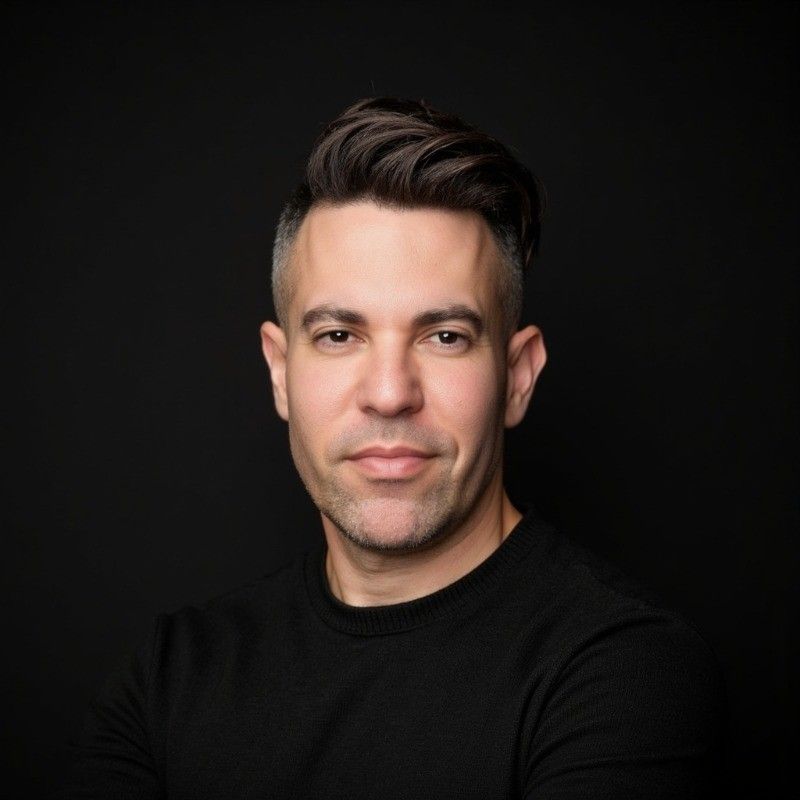
Dr. Dean Berman, MD, is a physician specializing in aesthetic and longevity medicine, with clinical experience since 2007 and more than a decade of focused work in peptide-based therapies.
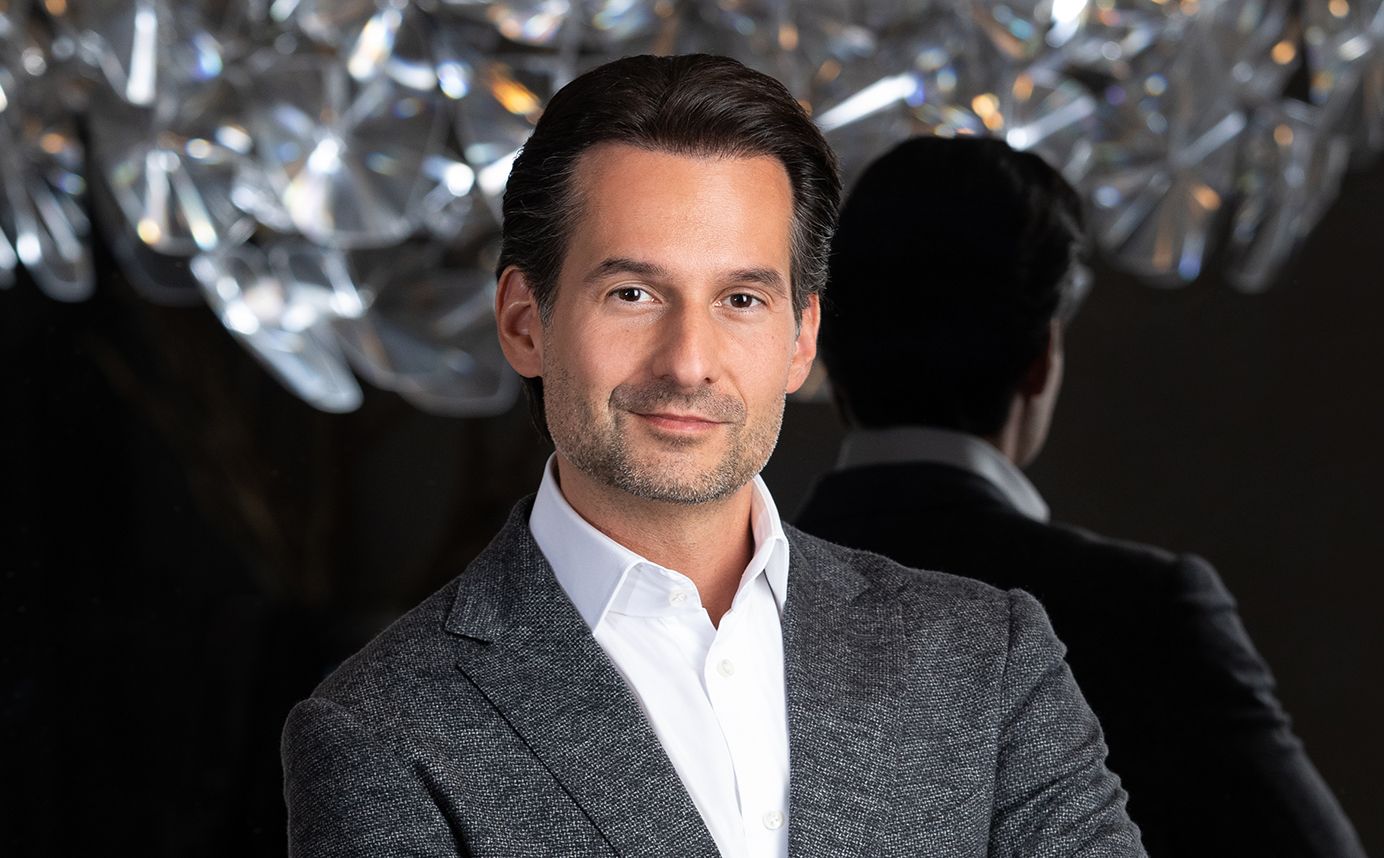
Dominik holds the position of Professor of Pharmacy at GCLS, Visiting Professor at the Mayo Clinic Centre for Aesthetic Medicine & Surger, Visiting Professor at the University of Medicine and Pharmacy Carol Davila in Bucharest.

As one of the nation’s first Pharmacogenomics Clinical Pharmacy Specialists, she specialises in individualising medicines through pharmacogenomics implementation at the Mayo Clinic in Arizona.

She earned her PhD in Organic Chemistry from Tel Aviv University, where her research focused on peptide synthesis, advanced 3D NMR structural analysis, and structure–activity relationships.

Fluent in German and English, Hans Peter brings a rare combination of academic grounding in psychology, deep global HR expertise and a proven track record in leadership coaching and team development.

A specialist in endocrinology, metabolic diseases, and dietetics, with a clinical focus on obesity, diabetes, thyroid disorders, metabolic syndrome, women’s health, nutrition, and cardiometabolic risk.

An Instructor in Cardiovascular Medicine at Stanford University, where his research focuses on the mitochondria, immune, and vascular interface.
His work on immune-related adverse events feeds into a broader focus on inflammation as a modifiable driver of disease and aging.

A dual-certified physician in Longevity Medicine (GCLS) and Anti-Aging (A4M), with a strong background in clinical practice and medical education.

She is part of the Advisory Board of Nutritank and the Association of the Study for Obesity (ASO), UK.Kristina is part of the team of: Regina Life Clinic and Femiclinic as a Registered Dietitian; World Cancer Research Fund as Oncology Specialist Dietitian; Liva Healthcare as a Health coach with focus on Diabetes Prevention and Weight Management;

Boris Zupa is an experienced physiotherapist and sports-training specialist with more than 15 years of work in rehabilitation, injury management, and performance-oriented client care. He has treated many sports-related injuries and combines hands-on physiotherapy with strength training

A globally recognized leader in biomedical engineering, with expertise spanning tissue engineering, precision medicine, and exosome science.

She has a long-standing clinical and scientific career in inpatient care. Her medical expertise is based on extensive experience in the diagnosis and treatment of complex neurological conditions across the entire spectrum of the discipline.

Her clinical interests encompass longevity medicine, preventive cardiology, lipidology, multimodality cardiovascular imaging, women's heart health, cardio-oncology, and physician education.

She is also board-certified in Obesity Medicine and Lifestyle Medicine from the UK, equipping her with specialized expertise in integrating evidence-based lifestyle interventions into the prevention and management of non-communicable diseases.
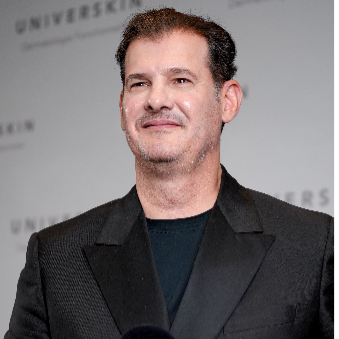
He is the Company Architect and CEO of Universkin, a personalized skincare company he has led since 2014. Before Universkin, he co-founded and served as Managing Director of ARAGAN from 2005 to 2013.
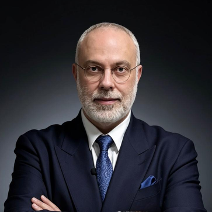
He leads a multidisciplinary team providing advanced, evidence-based treatments that combine external aesthetic results with long-term health optimization.He is recognized for integrating regenerative and functional medicine into hair loss and aesthetic treatments.

is an internationally experienced physiotherapy leader and longevity specialist with over 20 years of clinical and managerial expertise across the Middle East.
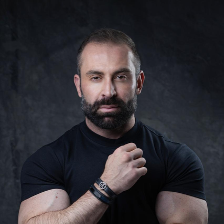
a medical doctor with advanced training in Functional Nutrology from Faculdade Campos Elíseos and ABRAN, the Brazilian Association of Nutrology Medicine.
Join physicians, pharmacists and scientists worldwide in the first postgraduate program built for the responsible clinical integration of peptide therapeutics.